Elvis Presley remains one of the most influential figures in American entertainment history. Known for his magnetic stage presence, velvet voice, and trailblazing energy, he captivated audiences in ways few artists ever have. Among his many cinematic ventures, “Viva Las Vegas” (1964) holds a special place in both his filmography and the hearts of fans around the world. The movie wasn’t just a musical—it was a celebration of energy, style, and chemistry, wrapped up in the neon sparkle of 1960s Las Vegas.
Yet behind the glamour, a closer look reveals fascinating bloopers, creative tensions, and hidden gems that have intrigued film enthusiasts for decades. Today, nearly sixty years after its release, “Viva Las Vegas” still shines as a beloved piece of pop culture history—and a film with more depth, charm, and heart than most people realize.
The Spark That Lit the Screen
When Elvis Presley stepped onto the MGM set to play Lucky Jackson—a talented race car driver chasing both dreams and love—he was already a global superstar. But this film would push his on-screen presence into an entirely new dimension. Opposite him was Ann-Margret, a rising Swedish-American actress known for her vibrant spirit and commanding screen energy.
From their very first meeting, something clicked. Ann-Margret once described it as “an instant, natural chemistry that couldn’t be ignored.” Their shared passion for music, performance, and fun translated beautifully onto the screen. What audiences witnessed wasn’t just acting—it was pure, unfiltered connection.
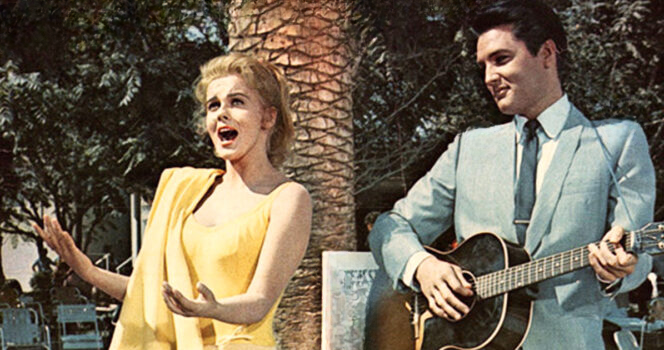
The playful duet “The Lady Loves Me” remains one of the most memorable scenes in Elvis’ movie career. Viewers can sense the unspoken tension and affection between the two performers, a balance of flirtation and competition that felt spontaneous. Decades later, that energy still feels fresh, proving that authentic chemistry can outshine even the most elaborate Hollywood scripts.
Behind the Cameras: Creativity, Tension, and Collaboration
“Viva Las Vegas” was directed by George Sidney, a filmmaker celebrated for his lively musicals and polished style. Sidney had previously worked on hits like Bye Bye Birdie and Show Boat, and his eye for dynamic staging perfectly suited the film’s colorful backdrop. However, behind the scenes, not everything was as seamless as it appeared.
Elvis occasionally expressed frustration with Sidney, believing that the director favored Ann-Margret in camera shots and choreography. It’s easy to see why he felt that way—Ann-Margret’s exuberant dance routines and close-ups often commanded attention. Still, Colonel Tom Parker, Elvis’ long-time manager, ensured that his client’s star status remained front and center.
Despite occasional creative disagreements, the film ultimately became a harmonious collaboration between two powerhouse performers. The result? A fast-paced, music-filled movie that combined Elvis’ signature rock energy with Ann-Margret’s theatrical vitality—an irresistible blend that critics and audiences couldn’t ignore.
Record-Breaking Success and Cinematic Legacy
Upon its release, “Viva Las Vegas” broke records and expectations alike. The movie became Elvis Presley’s highest-grossing film, surpassing even the wildly successful Blue Hawaii. With box office earnings that exceeded projections by over $450,000, the film proved that Elvis’ cinematic appeal was stronger than ever.
Interestingly, it was also the shortest film in Elvis’ career, running just 85 minutes. Yet that brevity didn’t diminish its impact—it only intensified it. Every scene brimmed with energy, every song radiated excitement, and every dance sequence pulsed with life.
Over time, the film’s portrayal of 1960s Las Vegas gained even more cultural value. Many of the neon-lit landmarks captured in the movie no longer exist today, making “Viva Las Vegas” a visual time capsule. From the legendary casinos to the racetrack scenes, the film immortalized a city that was still defining its glamorous identity.
The Hidden Bloopers and Little-Known Moments
Every great movie has its share of behind-the-scenes quirks, and “Viva Las Vegas” is no exception. For fans who love to spot movie bloopers, this classic offers plenty of fun discoveries:
-
The Mysterious Tape: In the energetic “What’d I Say” performance sequence, sharp-eyed viewers notice white tape appearing and disappearing from Elvis’ fingers between shots—a simple continuity slip that adds a touch of authenticity to the live feel of the scene.
-
Familiar Faces in the Crowd: Among the background dancers is a young Teri Garr, who would later go on to star in films like Tootsie and Close Encounters of the Third Kind. Even Glen Campbell and Red West, both associated with Elvis’ circle, appear subtly throughout the movie. These cameos make repeat viewings all the more rewarding.
-
The Gravity-Defying Crash: During one of the race sequences, Count Mancini, Elvis’ rival, miraculously walks away from a spectacular crash completely unharmed—an unintentional but amusing example of the era’s lighthearted approach to on-screen danger.
These small mistakes and coincidences, rather than diminishing the film’s quality, actually add to its charm. They remind viewers that even in highly produced Hollywood musicals, spontaneity often finds its way onto the screen.
A Glimpse of Real-Life Affection
While “Viva Las Vegas” dazzled audiences with its music and humor, much of its enduring fascination lies in what happened off-camera. During filming, rumors spread that Elvis and Ann-Margret had developed a deep personal bond. Though both maintained professionalism on set, their connection was evident to everyone around them.
Ann-Margret later reflected that their relationship was built on shared values—faith, family loyalty, and respect for their craft. They both loved motorcycles, shared quiet conversations away from the spotlight, and admired each other’s talent.
Elvis, at one point, reportedly expressed genuine feelings for Ann-Margret and even spoke of the possibility of marriage. However, his long-term commitment to Priscilla Presley, whom he had promised to marry, created an emotional crossroad. Ultimately, Elvis and Ann-Margret chose separate paths, but their respect and affection never faded.
Even after their romance ended, Elvis continued to send floral tributes to Ann-Margret’s Las Vegas performances—a touching gesture that lasted until his passing in 1977. Their friendship became a testament to loyalty, maturity, and mutual admiration, qualities rarely captured in celebrity relationships of the time.
A Musical Celebration of the Las Vegas Spirit
Beyond the romance and glamour, “Viva Las Vegas” stood as a vibrant tribute to the city itself. The movie’s energetic soundtrack perfectly matched the pulse of 1960s Las Vegas—an era defined by big band sounds, neon lights, and dazzling showmanship.
Songs like “Viva Las Vegas,” “The Lady Loves Me,” and “C’mon Everybody” weren’t just catchy—they were emblematic of a new kind of musical cinema that fused rock ‘n’ roll with Broadway-style choreography. Elvis’ natural rhythm and Ann-Margret’s dynamic movement created sequences that felt alive and unscripted, blurring the line between concert and film.
For Elvis fans, these performances represented some of his best on-screen musical moments. For the city of Las Vegas, the movie became an unofficial anthem. Even today, the title song “Viva Las Vegas” continues to be played at sports events, festivals, and tourism campaigns, celebrating the city’s spirit of excitement and possibility.
The Lasting Influence on Pop Culture
Nearly six decades after its release, “Viva Las Vegas” continues to inspire musicians, filmmakers, and fans alike. Its style, music, and color palette have influenced countless productions that followed—from flashy music videos to modern musical comedies.
The film also helped define the image of Las Vegas in global pop culture. Before Elvis, the city was known for casinos and showgirls; after “Viva Las Vegas,” it became synonymous with entertainment, energy, and a sense of endless fun.
Elvis’ portrayal of Lucky Jackson became a symbol of ambition and charm—a dreamer who loved deeply and raced passionately. Ann-Margret’s Rusty Martin, on the other hand, represented independence and confidence, qualities that resonated strongly with the changing roles of women in the 1960s. Together, they embodied a dynamic that felt both timeless and forward-thinking.
Ann-Margret: The Legacy of a Timeless Star
Today, Ann-Margret, at 83 years old, continues to reflect fondly on her experiences filming with Elvis. In interviews, she often describes their partnership as one of mutual growth and understanding. “We both loved what we did,” she once said, “and we both knew how special those moments were.”
Her career flourished long after “Viva Las Vegas.” From Carnal Knowledge to Bye Bye Birdie, she proved her versatility as both an actress and a performer. Yet, fans still return to her moments with Elvis—the laughter, the dances, and the glances that spoke volumes without words.
Ann-Margret remains one of Hollywood’s most re