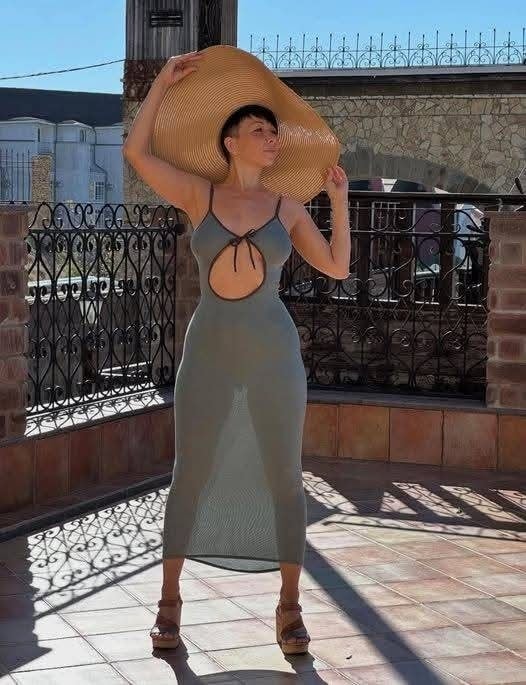

What Everyday Posture Reveals About Personality: A Deep Look at How We Carry Ourselves
Human beings have always been fascinated by the subtle language of the body. Long before we wrote, typed, or spoke complex sentences, we communicated with posture, movement, and the positions we naturally fell into while standing or walking. Today, people often misinterpret these subtle cues, attaching assumptions that have little to do with science and everything to do with myth. But beneath the misconceptions lies a far more meaningful truth: the way we hold ourselves tells a story — not about appearance, but about habits, mindset, and lived experience.
In this article, we’ll dive into the genuine psychology behind posture and stance. We’ll explore how everyday physical habits reflect confidence levels, emotional tendencies, upbringing, personality traits, and stress patterns — all without defaulting to stereotypes or unrealistic assumptions.
This is not about evaluating appearance or assigning value to anyone’s body. Instead, it’s about understanding the quiet signals we send without realizing it, and what they may reveal about the way we handle the world around us.
Section 1 — Why People Try to “Decode” Body Language
People have always tried to find patterns in human behavior. Some look at handwriting, some read facial expressions, and others focus on posture. Many of these interpretations historically drifted into superstition — people believing they could judge character from a single physical detail. Today, social media adds its own fuel, turning harmless traits into viral “types,” even though most of these claims exaggerate or misinterpret reality.
Yet the core fascination remains rooted in something real: posture does reflect patterns of behavior. Emotional states affect muscle tone. Stress changes how we stand. Confidence loosens the shoulders. Fatigue shifts our weight. Our habits — not our anatomy — shape the stance we carry into adulthood.
The mistake people make isn’t observing posture. The mistake is assuming posture defines personality. In truth, posture forms alongside personality, shaped by lifestyle, environment, daily choices, and emotional history.